
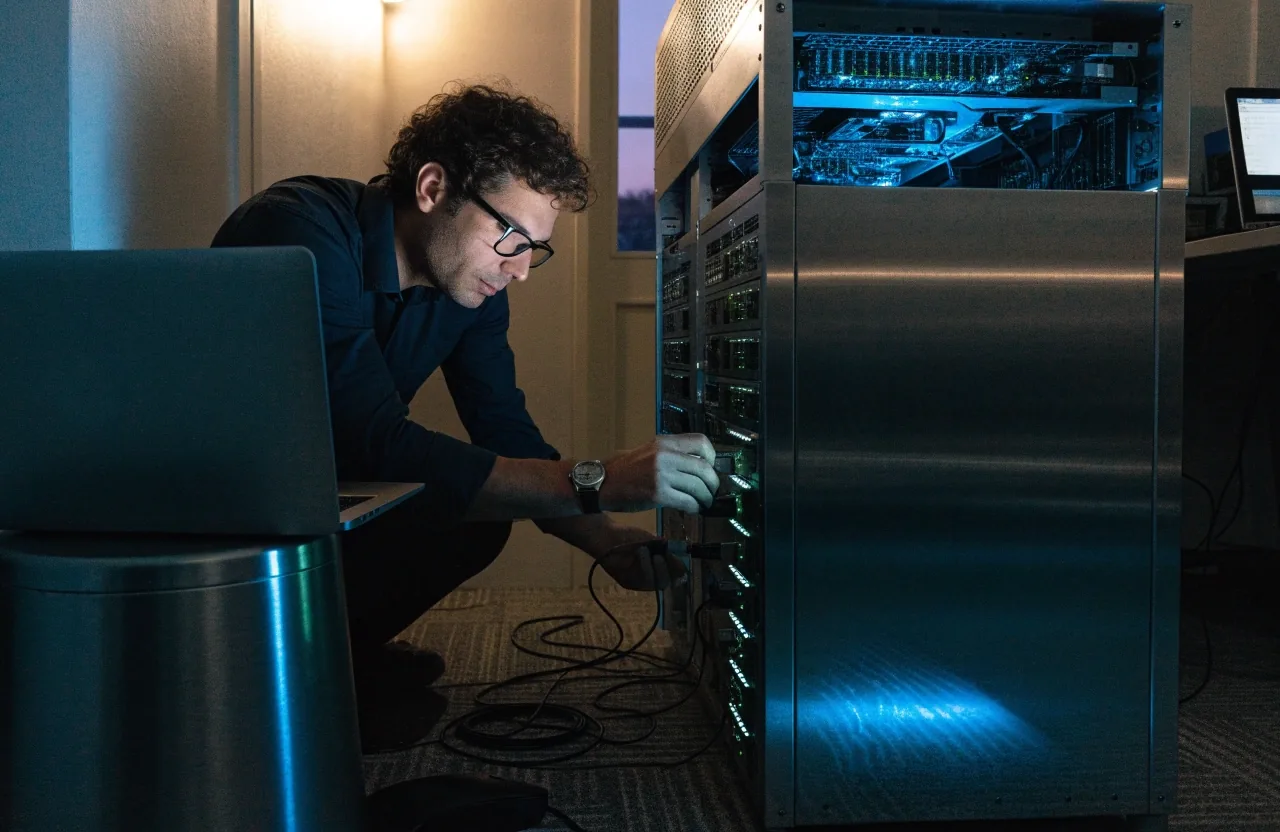
Certificate tracks · incident response · digital forensics · cloud security
Compare cybersecurity certificate courses
This page covers our cybersecurity course lineup: what each program teaches, who it is built for, and how the certificate tracks differ. The focus is defensive security work that appears in real job descriptions, including incident response, digital forensics, and cloud security.
Program structure
What a cybersecurity certificate course covers
A structured certificate program moves through three layers. First, foundations: how networks communicate, how operating systems manage access, and where data lives. Second, defensive operations: monitoring, alert triage, and incident response. Third, specialization: forensics, cloud security, or governance.
If a program skips the first layer, learners without an IT background tend to struggle by week three. Ours does not skip it. The foundation modules are shared across all three specializations, so the time you spend on networking and operating system basics counts toward whichever track you finish.
Three layers, in order
- Foundations Networks, operating system access, where data lives.
- Defensive operations Monitoring, alert triage, incident response workflow.
- Specialization Forensics, cloud security, or governance.
Foundation shared by every track
Lab workflow
Incident response: the workflow you will practice
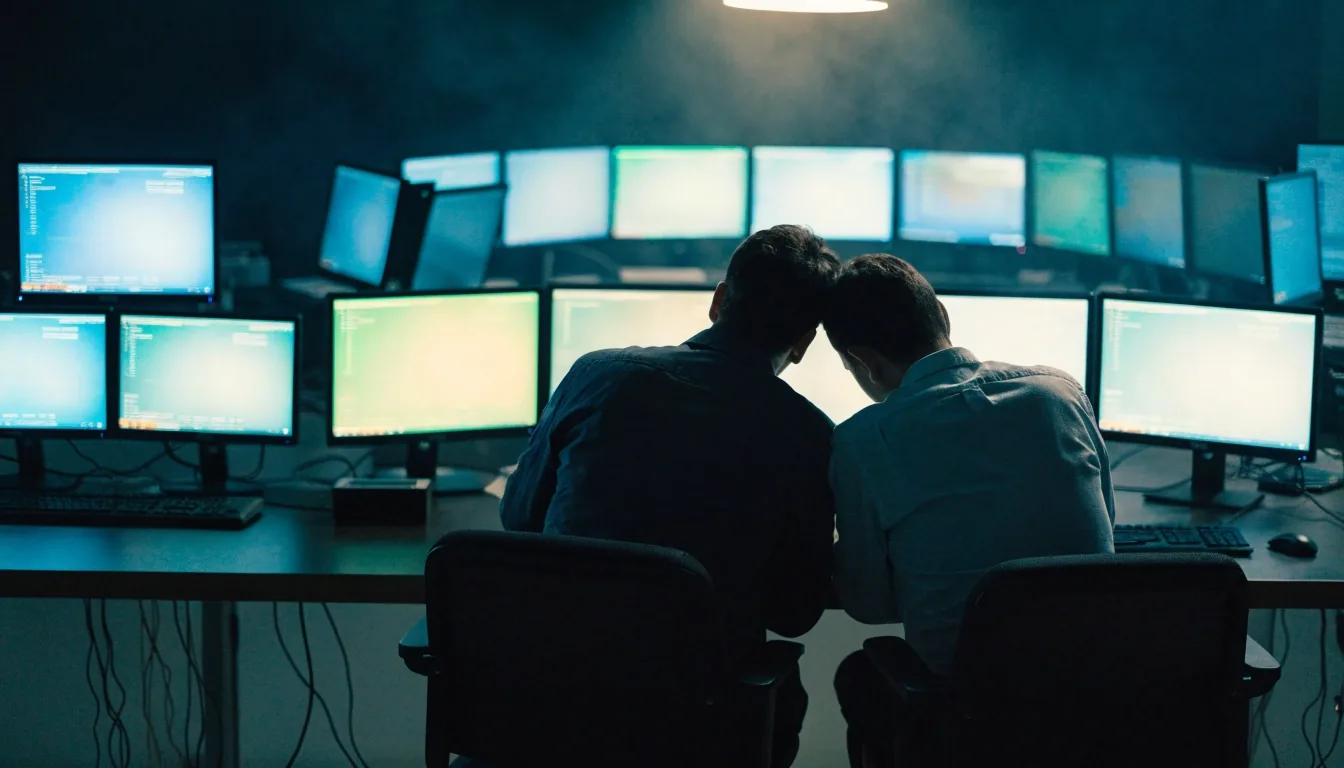
Incident response is a process, not a single skill. You work through preparation, detection, containment, eradication, recovery, and the post-incident review.
In the labs you take an alert from a monitoring queue, decide whether it is a real event, and document your actions in a timeline. That documentation habit matters. Interviewers ask how you would handle a live incident, and the answer they want is a sequence, not a tool name.
Evidence and analysis
Digital forensics: evidence handling and analysis
Forensics courses teach how to collect and analyze evidence without altering it. You cover disk imaging, memory capture, file system artifacts, and the chain-of-custody practices that keep findings usable.
This is detail-heavy work, and the course reflects that. Expect to spend time on timestamps and log correlation. If you enjoy methodical puzzle-solving, this specialization tends to click.
See where forensics leadsWhat the labs walk through
Method before tools

Cloud security
Cloud security: where the perimeter moved
Cloud security is the fastest-growing part of our cybersecurity catalog. The core question changes when infrastructure runs on a provider's platform.
Identity and access management becomes the primary control, network boundaries get blurry, and misconfiguration replaces the classic firewall breach. Coursework covers how to review cloud configurations, apply least-privilege access, and monitor activity across cloud services. This track pairs well with our DevOps material.
Identity and access
Who can reach what, and why that account has that much reach.
Primary controlConfiguration review
Read a cloud environment the way you would read a change log.
Routine checkActivity monitoring
Follow what services actually do, not only what they were allowed to do.
OngoingIf you already work with containers and deployment pipelines, the cloud security track asks you to look at the same environment from the access side. Our DevOps and cloud training page covers that side of the stack.
Cybersecurity certificate vs. degree: a practical comparison
A certificate takes months. A degree takes years and includes coursework beyond your specialty. Employers treat them differently depending on the role. Many entry and mid-level security positions list a certificate or equivalent experience, while some senior and government roles require a degree. If you already hold a degree in another field, adding a certificate is often the faster route into security work.
Nothing here decides for you. Read the listings you are targeting, note whether they ask for a certificate or a degree, and plan from that. If you want the side-by-side view of formats and hours, the course comparison page lays it out row by row.
Prerequisites and how to place yourself
Our beginner courses assume comfort with a computer but not with command-line tools. Intermediate courses expect basic networking knowledge and some familiarity with an operating system's file structure. Each course page lists its prerequisites, and the first module of every course includes a self-check.
If the self-check feels hard, drop back one level. That is not a setback; it is how the sequence is designed. Placing yourself honestly at the start saves more time than pushing through a module you are not ready for.
See prerequisites for each courseHow long each track takes
Accelerated cohorts compress individual courses but not the whole path. If you have full days available, tell us and we will suggest a schedule.
Ask about the accelerated formatChoosing your specialization
Pick the specialization that matches the jobs you are targeting, not the one that sounds most advanced. You can switch specializations after the shared foundation modules, and some learners do.
Incident response
Suits people who like triage under time pressure and want a clear sequence to follow when something is already happening.
Digital forensics
Suits people drawn to investigation and detail, who would rather reconstruct one timeline carefully than work a queue.
Cloud security
Suits people comfortable with infrastructure and automation, where access rules and configuration do most of the work.
If you are still undecided, finish the shared foundation first. The decision gets easier once you have actually handled a monitoring queue and a disk image.
Method before tools, sequence before vocabulary.
Questions before you enroll
Three things learners ask most often when they compare cybersecurity certificate programs. If your question is not here, write to us and we will answer it plainly.
Ask us directlyDo I need IT experience before starting a cybersecurity certificate? Open
No, if you start with the foundations course. It covers networking and operating system basics before moving into security topics. Learners with existing IT experience can skip ahead after the self-check in module one.
Which is more useful for a career switcher, incident response or forensics? Open
It depends on the roles you are applying for. Incident response appears in more entry-level security operations job listings. Forensics is narrower but often pays well and suits people who prefer deep, methodical work. Both share the same foundation modules, so you can decide after completing them.
Can I take these courses while working full time? Open
Yes. The self-paced format is built for that. Most learners study evenings or weekends at a few hours per week. If your schedule is unpredictable, self-paced is usually the better fit than an accelerated cohort.
Next step: pick a track and ask for the syllabus
Send us the specialization you are leaning toward and we will return the module list, the prerequisites, and the hours per week each course expects. If you are unsure between two tracks, say so and we will lay out both side by side.
Robimhood Digital
88 Innovation Drive, Austin, TX 78701, USA
Monday–Friday, 9:00 AM – 6:00 PM (Central Time)
+1-512-555-0743
info@robimhood.digital